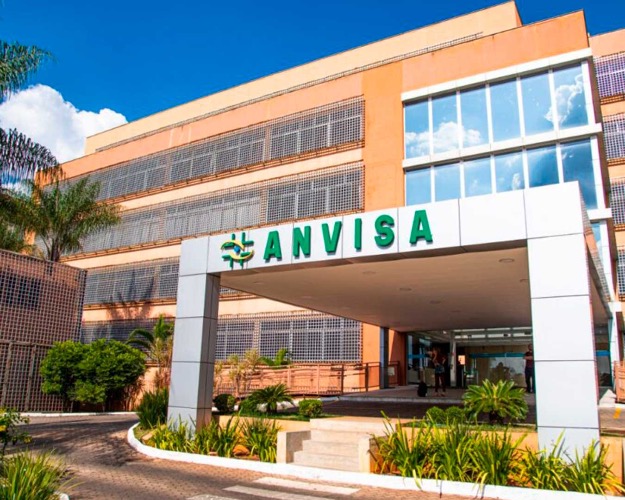
ANVISA: From Regulatory Bottleneck to a Reference Agency in Latin America
A critical perspective on Brazil’s regulatory evolution and its impact on the pharmaceutical market.
More than a decade ago, international analyses frequently described ANVISA as a regulatory bottleneck within the Brazilian pharmaceutical environment. Over time, this perception has evolved significantly, in parallel with the institutional maturation of the agency and the market itself.
What was once largely seen as an obstacle has gradually come to be understood as a fundamental component in building a more robust, predictable, and internationally aligned regulatory environment.
High rigor and the perception of inefficiency
In the early 2010s, Brazil was experiencing a period of rapid pharmaceutical market expansion. Increased access to healthcare, the consolidation of generics, and rising consumption placed intense pressure on regulatory timelines and approval processes.
Within this context, ANVISA was often associated with delays, excessive bureaucracy, and limited predictability. A more technical assessment, however, already indicated that the level of regulatory rigor applied by the agency was comparable to that of mature authorities and that a significant portion of the delays stemmed from inconsistent or insufficiently prepared dossiers submitted by the industry itself.
Institutional maturation over time
ANVISA’s transformation did not occur through abrupt reform, but rather through a process of continuous institutional development. Over the years, the agency has made steady progress in key areas:
* greater regulatory standardization
* strengthening of technical review capacity
* improved procedural predictability
* progressive alignment with international best practices
Without compromising rigor, the agency refined its regulatory approach, particularly in complex areas such as biological products, biosimilars, clinical trials, and quality control systems.
ANVISA’s current role in the pharmaceutical ecosystem
Today, ANVISA is widely recognized as a reference regulatory authority in Latin America, influencing strategic decisions by multinational companies and serving as a technical benchmark for other countries in the region.
Its role extends well beyond product approval. Regulatory requirements directly shape:
* market entry and launch strategies
* industrial plant design and compliance
* equipment qualification requirements
* analytical standards, validation, and data traceability
In this context, regulatory rigor has shifted from being perceived as a barrier to functioning as a quality filter and a competitive differentiator for well-prepared organizations.
Practical implications for the industry
The consolidation of a more mature regulatory framework has produced clear practical effects:
* earlier and more structured regulatory planning
* increased emphasis on robust data and technical evidence
* growing demand for specialized technical services
* reinforcement of a strong compliance and quality culture
Operating in Brazil today requires regulatory considerations to be integrated from the earliest project stages, not treated as a final corrective step.
What has changed, and what remains
What has evolved:
* predictability
* international recognition
* the strategic role of the regulatory authority
What remains unchanged:
* a high level of technical demand
* the need for operational and regulatory excellence
* the high cost of poor regulatory planning
ANVISA has not become “easier.”
It has become clearer, more technical, and more structured.
Final considerations
The mistake of the past was to treat regulation as an isolated obstacle to growth. Market maturity has shown that strong regulatory environments are a prerequisite for sustainable development.
Today, organizations that understand the regulatory system:
* anticipate risks
* structure projects more effectively
* gain long-term efficiency and predictability
ANVISA has moved beyond its role as a regulatory authority alone.
It has become a strategic component of Brazil’s pharmaceutical ecosystem.
By Eduardo Bravim
Executive Director | Pharmaceutical & Analytical Instrumentation